Your pet's eyelids do more than open and close. They help protect the eyes, spread tears across the surface, and keep out dirt and debris. But when an eyelid rolls inward or droops outward, it can lead to irritation, excessive tearing, and even damage to the eye itself. These conditions are called entropion and ectropion, and they're especially common in certain dog breeds. Some pets have only mild symptoms, while others develop painful corneal ulcers or recurring eye infections. The good news is that both conditions can often be managed successfully, and surgery can provide lasting relief when needed.
At WesVet Animal Hospital, our family-owned Nashville practice provides soft tissue surgery to correct eyelid abnormalities and help protect your pet's vision and comfort. We also check for changes in the eyelids and eyes during routine wellness exams, so developing problems can be identified early. If your pet has been squinting, tearing more than usual, or showing signs of eye irritation, schedule an appointment so we can find out what's causing their discomfort and discuss the best treatment options.
Rolled or Sagging Eyelids: The Basics
- An inward-rolling lid, called entropion, lets hair and lashes rub the surface of the eye. An outward-sagging lid, called ectropion, leaves the inner eye tissue exposed.
- Squinting, tearing, and pawing at the face mean the eye hurts, and neither condition is cosmetic.
- One eyelid repair is usually enough once the face has finished growing.
- A puppy or kitten whose face is still changing often gets a temporary stitch first and permanent repair later.
What Do Entropion and Ectropion Do to the Eye?
Entropion turns the lid margin inward, so lashes and haired skin sweep across the cornea with every blink. Ectropion is the opposite: the lower lid droops away from the eye, leaving the pink inner tissue open to dust, wind, and bacteria, with no snug seal to spread tears across the surface.
| Side by side | Entropion | Ectropion |
| Direction of the problem | Margin turns in against the eyeball | Margin droops and pulls away from the eyeball |
| Which lid | Mostly the lower lid, though the upper or both can be involved | Almost always the lower lid |
| Day-to-day effect | Constant rubbing from hair and lashes | Inner lid left open to the air, tears pooling unevenly |
| If nothing is done | Ulcers, surface pigment, scarring, possible vision loss | Ongoing irritation and recurring infections |
- Entropion, untreated: Lashes wear through the cornea's outer layer, and the corneal ulcers that follow can scar, deepen, or in the worst cases perforate the eye. Pigment can creep across the surface as the eye shields itself, and that haze doesn't always clear.
- Ectropion, untreated: The exposed inner lid dries out and stays inflamed. Eye discharge that thickens or turns yellow-green usually means a secondary infection has set in, because the lid can no longer keep the eye clean.
Getting the name right matters, because dry eye, an extra row of lashes, and a sagging lid can all produce the same wet, squinty face with three different treatments behind them. We check lid position at every wellness visit, often before a family notices more than a bit of tearing.
Which Dogs and Cats Are Most at Risk?
How a face is built sets the risk: eyelid disorders in dogs and cats trace to skin thickness, skull shape, and how the lid margin sits against the eye. Heavy facial folds, deep-set eyes, and a flat muzzle are the builds most likely to need lid repair, and because hereditary eyelid conditions run in family lines, a puppy with rolling lids often has a parent or littermate built the same way.
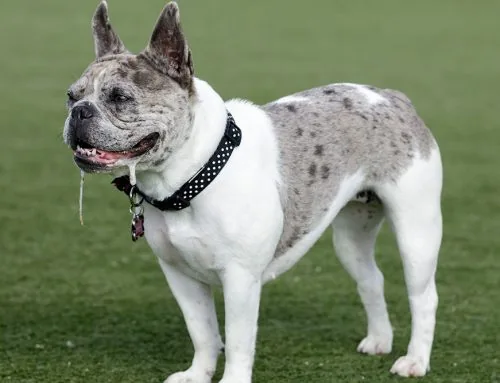
- Entropion breeds: Shar-Peis, Chow Chows, Bloodhounds, Mastiffs, Rottweilers, and English Bulldogs lead the list. Cats aren't exempt: flat-faced breeds like Persians, Himalayans, and Exotic Shorthairs have shortened skulls that shift where the lids sit and how tears drain.
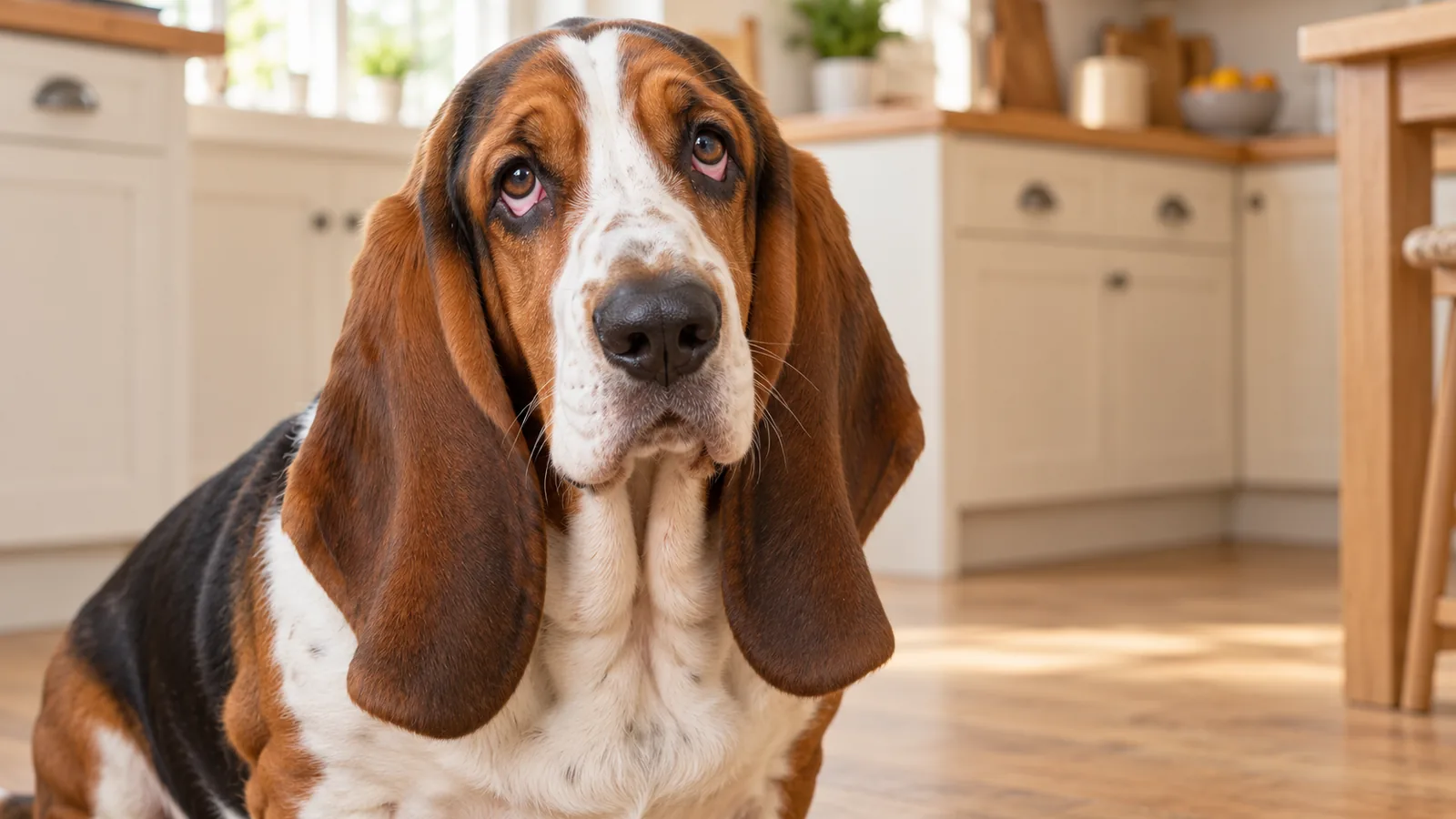
- Ectropion breeds: Saint Bernards, Basset Hounds, Cocker Spaniels, and Great Danes come with a naturally loose lower lid. A few giant breeds show both problems in the same eye, a combination called diamond eye.
- Beyond breed: Lid tissue stretches with age, so a senior dog can sag where they never used to. Scarring from an old injury or an earlier lid surgery can pull a margin out of place. A painful eye can also clamp shut hard enough to roll the lid in, called spastic entropion, which often settles once the pain is treated.
Flat-faced dogs and cats are popular around Nashville, and a young face changes month to month, so a lid that looks borderline at twelve weeks can look fine by six months. The repeat puppy and kitten visits in our wellness plans are where we track it.
How Do I Know If My Pet's Eye Hurts?
Squinting, pawing at the face, heavy tearing, avoiding bright light, and an eye held partly shut are signs of eye pain, not quirks to watch at home. Any of them on a face that looked normal last month needs an exam this week. Cats show pain less openly, so a cat who hides, stops grooming that side of the face, or keeps one eye narrowed deserves the same look.
What Should I Do Before We Can See the Eye?
Skip whatever's left in the medicine cabinet, because a steroid drop saved from another pet's problem can turn a shallow ulcer into a deep one. Never give a dog or cat a human pain reliever like ibuprofen or acetaminophen.
Call ahead and say an eye is involved so a room is ready. We see urgent eye problems during our open hours, and an eye that swells shut or turns cloudy overnight needs an emergency hospital that night rather than a wait until morning. Some conditions, like glaucoma or a bad corneal ulcer, cause extreme pain and can threaten vision within hours, so you should never wait on an eye problem.
What Tests Confirm Entropion or Ectropion?
Diagnosis starts with a close look at the lid, then at the surface it's been rubbing. A full workup runs a short series of ocular tests: a fluorescein stain to show corneal damage, a tear production measurement, and a pressure reading inside the eye.
- How the lid sits at rest: A relaxed face tells us more than one being held still, so the first look happens before anyone touches the eye.
- A numbing drop: If the lid settles back into place once the eye is numb, pain was rolling it in. If it stays rolled, the lid's own shape is the problem, and that case needs structural surgery.
- A look at the lashes: Extra lashes growing from the lid margin, known as distichiasis, can scrape the cornea even when lid position looks nearly normal.
- An older photo: A picture of your pet's face from a few months ago helps us judge how much it has changed.
- What else is going on: Dry eye, allergic lid inflammation, and infection often ride along, and each one shifts the plan.
Which Cases Need Surgery, and Which Can Wait?
Not every entropion or ectropion needs an operation right away. A growing puppy or kitten, or a pet whose lid rolls in because the eye already hurts, often does better with a temporary measure while things settle. A lid that is structurally too long or too loose needs permanent repair, ideally once the face has stopped changing.
When Is Tacking the Better First Step?
With temporary eyelid tacking, a few skin sutures hold the lid in a normal position for several weeks while a puppy's face keeps growing, with nothing placed in the eye itself. Tacking can be repeated while a face matures, and many young dogs grow into a workable lid position and never need definitive surgery. With spastic entropion, treating the ulcer or infection behind the squint sometimes fixes the lid on its own.
What Does the Permanent Repair Involve?
Definitive surgery removes a small, measured piece of skin and muscle so the margin settles back against the eye. The hard part of eyelid surgery is deciding how much to take, because removing too much creates the opposite problem, which is harder to fix than the original.
Which technique fits depends on the species, the lid involved, and how the rest of the face pulls on it. That call gets made at the consult rather than over the phone: a straightforward lid shortening sits well within the soft tissue surgical procedures we handle in Nashville, while a lid carrying heavy scarring or serious corneal damage may do better with a veterinary ophthalmologist. You'll know which before anything is scheduled.
Is Feline Entropion a Different Problem?
Entropion in cats usually appears in adulthood and often comes with long-standing surface disease, so lid position is only one piece of what needs treating. A cat with scarring from an old herpesvirus flare, or a long-running conjunctivitis, may need that inflammation quiet before anyone measures a lid. Feline repairs often combine techniques, since a short-nosed cat's lid is tugged by the shape of the whole orbit.
What Happens While My Pet Is Here for the Repair?
We look at the lid again that morning, because new swelling or a fresh ulcer changes how much skin has to come off.
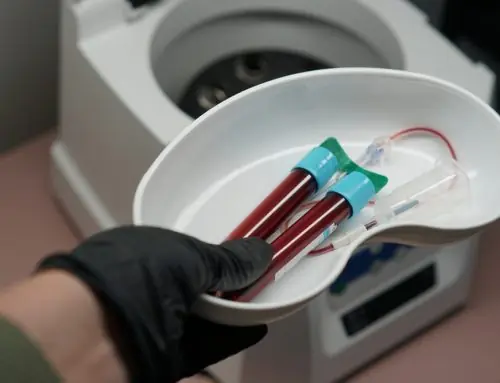
- Anesthesia is built around your pet: Age, breed, and bloodwork shape the drug choices, and flat-faced dogs and cats get extra attention on the airway.
- Pain control comes first: Pain management starts before the incision, because staying ahead of pain works better than chasing it.
- Monitoring runs the whole time: Our team watches heart rate, blood pressure, oxygen, temperature, and breathing continuously.
- Waking up takes a while: Most pets are groggy for the rest of the day, with an Elizabethan collar on before they're fully awake so that they can’t reach their new sutures and damage the repair.
How Long Does Recovery Take?
The visible part of recovery runs about two weeks: swelling and bruising for the first few days, sutures out at ten to fourteen days, and a lid that looks tighter than it will end up. Final position settles over the next month or two as the skin relaxes.
Which Signs Are Normal in the First Few Days, and Which Mean a Call?
- Normal: Mild swelling and bruising around the lid, some squinting, clear or faintly pink tearing, and a quieter pet for a day or so.
- Call us: Yellow or green discharge, swelling that worsens after day three, an eye held completely shut, a loose suture, a cloudy spot on the surface of the eye, or any sign the incision has been rubbed open.
The Elizabethan collar isn't optional, because one hard rub against the carpet or a sofa arm can pull a suture out. It stays on except for supervised meals, then goes right back on.
Administering eye medications goes better when you steady the head from above and bring the bottle in from behind, since most pets dodge a bottle coming straight at the face. Pain medication and ointment go on a schedule rather than as needed, because a comfortable eye gets rubbed less. If a drop won't go in, don't skip a day: call one of our Nashville veterinary practices at either our Edmundson Pike location or on Centennial Blvd, because skipping medications is how you end up with an avoidable complication. Our team is happy to help.
When Will the Lid Look Normal Again?
| Timeline | What's happening |
| Days 1 to 3 | Swelling and bruising peak, collar on, activity low |
| Days 10 to 14 | Sutures come out at a recheck; the lid still looks tight |
| Weeks 3 to 6 | Swelling resolves and the margin relaxes into position |
| Months 2 to 3 | Final position is clear; corneal pigment may keep lightening |
What Affects How Well the Repair Holds?
A repair holds when the right amount of lid came off a face that has finished changing, and when the incision is left alone long enough to heal.
- Severity at the start: A lid rolling in at one corner is a smaller job than one rolling in along its full length, and a very loose lid can need staged work.
- The cornea's condition: An eye with a fresh ulcer heals differently than one carrying years of pigment, so the goal is comfort and protection rather than a perfectly clear surface.
- Facial maturity: A dog repaired while the skull is still developing can need a touch-up later, which is the most common reason a second procedure comes up.
- Home care: Keeping the collar on and the activity low protects the suture line while it heals.
How much to take is judged in surgery, and our veterinarians will talk you through that tradeoff beforehand. One note for families who show: some breed registries have rules about surgically altered dogs, so check yours before scheduling.
What Families Ask Us About Eyelid Surgery
Does entropion or ectropion usually affect both eyes?
The anatomy behind both conditions is usually the same on both sides, so both eyes often need work even when one looks far worse. Repairing both under the same anesthesia means one recovery instead of two. Sometimes the worse eye is corrected first and the other watched, especially in a young dog whose face is still filling out.
Can eye drops fix entropion instead of surgery?
Drops treat what the lid is doing to the eye, not where the lid sits. Lubricants, antibiotics, and anti-inflammatory medication can heal an ulcer and calm an inflamed surface, but the lashes go right back to rubbing once the bottle is empty. The exception is spastic entropion, where treating the painful problem lets the lid return to normal on its own.
Does age rule out eyelid surgery?
Age by itself rarely rules a pet out. What matters is organ function, heart health, and how well they're likely to handle anesthesia, which a pre-anesthetic workup answers better than a birth date. That workup starts with bloodwork, plus chest X-rays or an ultrasound if the exam raises a question. Plenty of senior dogs with a sagging, chronically infected lower lid come out of this far more comfortable than they went in.
What to Do Next If Your Pet's Eyelid Is Rolling In or Sagging
An eye repaired before the cornea scars has the easiest road, so squinting or tearing that started last week is worth a call this week. An eye held half shut or a pet pawing at the face means an exam rather than a wait.
We'll name what's happening, check the cornea, and tell you whether your pet's lid is a measure-and-watch case or a surgical one. Book an exam at WesVet Animal Hospital in Nashville and we’ll get your pet back to having comfortable vision.




Leave A Comment